

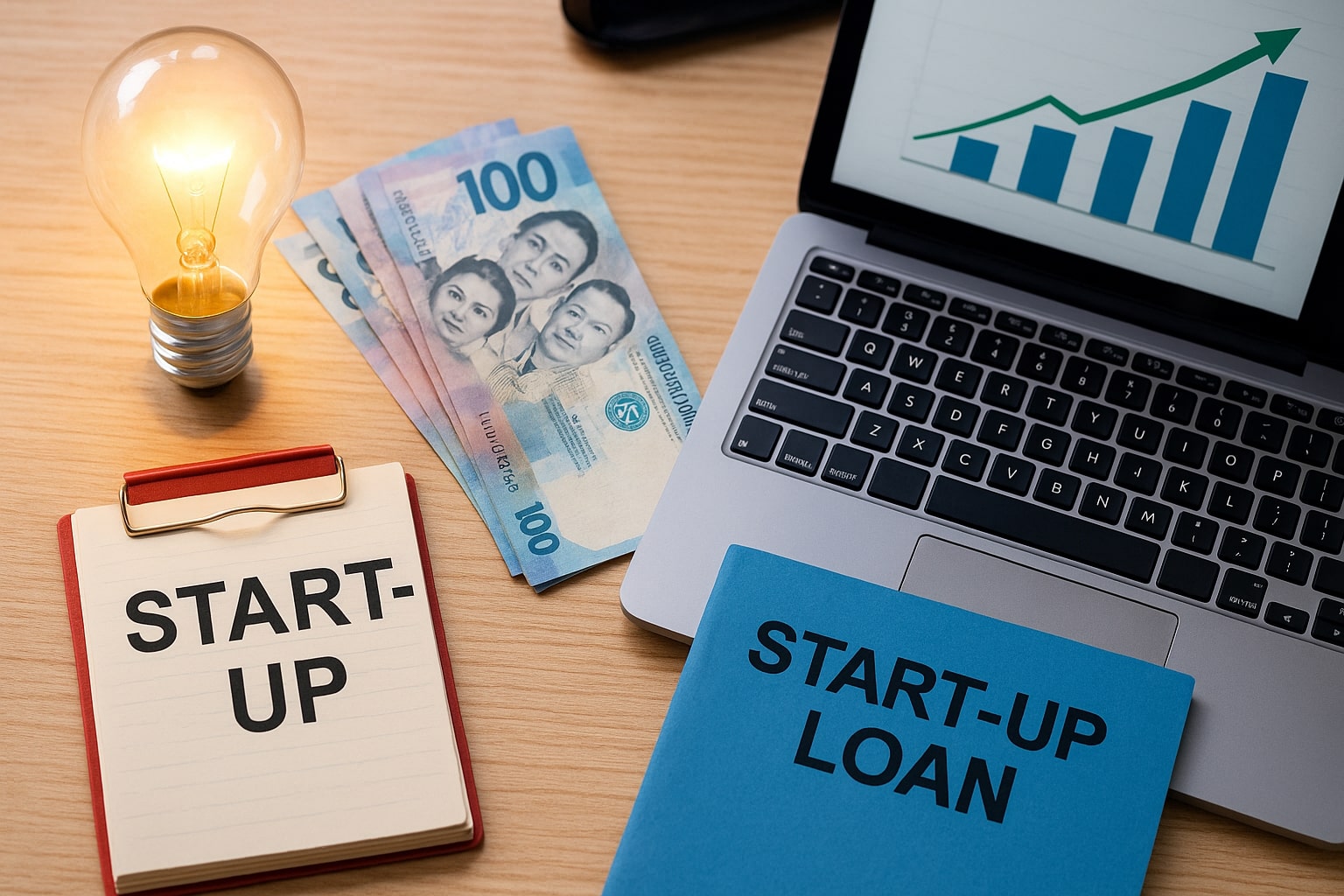
Starting a business in the Philippines is exciting but also challenging. Many Filipinos have brilliant ideas, yet lack the capital to bring their vision to life. This is where start-up loans in the Philippines (also called pautang online, small business loans, or MSME loans) come into play. These financing options allow entrepreneurs to secure funds for working capital, equipment, inventory, and marketing.
- What Are Start-up Loans in the Philippines?
- Types of Start-up Loans Available in the Philippines
- 1. Government-Supported Loans
- 2. Bank Loans for Start-ups
- 3. Online Lending Apps (Pautang Online)
- 4. Cooperative and Microfinance Loans
- Eligibility Requirements for Start-up Loans
- Typical Loan Amounts and Interest Rates
- Pros and Cons of Start-up Loans
- How to Apply for a Start-up Loan in the Philippines
- Alternatives to Start-up Loans
- FAQ – Start-up Loans in the Philippines
- What is the easiest start-up loan to get approved in the Philippines?
- Can I get a start-up loan without collateral?
- How much can I borrow for a start-up?
- Do I need to be DTI registered to apply?
- How fast can I get a start-up loan?
- What happens if I fail to pay my loan?
- Is it better to get a personal loan or a start-up loan?
- Conclusion
In this guide, we’ll explain the different types of start-up loans available, eligibility requirements, interest rates, pros and cons, and how to apply successfully. Whether you’re planning a food cart, an online shop, or a tech start-up, this article will help you choose the right loan option and start your business journey with confidence.
What Are Start-up Loans in the Philippines?
Start-up loans are financing products designed to help new business owners get the capital they need. Unlike personal loans, they are usually tied to business purposes such as:
- Buying equipment and tools
- Renting office or commercial space
- Hiring employees
- Marketing and advertising
- Expanding inventory
Why Start-up Loans Are Important
Many banks and lenders hesitate to fund businesses without proven revenue. Start-up loans bridge this gap by offering accessible financing tailored for first-time entrepreneurs.
Types of Start-up Loans Available in the Philippines
There are several ways to finance your start-up, ranging from traditional banks to online lending platforms. Let’s explore the most common options.
1. Government-Supported Loans
The Philippine government supports MSMEs (Micro, Small, and Medium Enterprises) through programs like:
- DTI’s P3 Program (Pondo sa Pagbabago at Pag-asenso) – low-interest microloans for small businesses.
- SB Corp. Loans – business loans for start-ups with easier requirements.
- GSIS & SSS Loans – while designed for employees, some can be used as seed capital.
2. Bank Loans for Start-ups
Major banks like BDO, BPI, Metrobank, and Landbank offer business loans. However, they often require:
- Business registration (DTI/SEC)
- Collateral (house, car, property)
- Good credit history
3. Online Lending Apps (Pautang Online)
For faster access, many entrepreneurs turn to online loan apps. These usually have:
- Minimal requirements (valid ID, proof of income, sometimes DTI registration)
- Quick approval (within 24–48 hours)
- Higher interest rates
Examples: Tonik, Digido, Cashalo, Tala.
4. Cooperative and Microfinance Loans
Local cooperatives and microfinance institutions offer community-based financing. These are popular among sari-sari store owners and small food businesses.
Eligibility Requirements for Start-up Loans
Requirements vary depending on the lender, but generally you’ll need:
- Valid government-issued ID
- Proof of residence (utility bill, barangay clearance)
- Business plan or proposal
- DTI or SEC business registration (for formal lenders)
- Bank statement or payslip (for hybrid salary/business loans)
Tips to Increase Approval Chances
- Keep your DTI/SEC documents updated.
- Show a clear business plan with projected income.
- Maintain a good credit score and avoid unpaid utang.
- Consider applying with collateral for better loan terms.
Typical Loan Amounts and Interest Rates
Below is an overview of start-up loan amounts, terms, and interest rates:
| Loan Type | Loan Amount | Interest Rate (per month) | Repayment Term | Approval Speed |
| Government MSME Loan | ₱10,000 – ₱200,000 | 0.5% – 1.5% | 6–36 months | 2–4 weeks |
| Bank Business Loan | ₱50,000 – ₱5M | 1% – 3% | 12–60 months | 2–6 weeks |
| Online Loan App (pautang) | ₱5,000 – ₱50,000 | 3% – 10% | 1–12 months | 24–48 hours |
| Cooperative Loan | ₱5,000 – ₱200,000 | 1% – 2.5% | 6–24 months | 1–2 weeks |
Pros and Cons of Start-up Loans
Advantages
- Access to capital even without revenue history
- Helps build business credit score
- Flexible repayment terms (depending on lender)
- Can fund essential business needs like equipment or marketing
Disadvantages
- Higher interest rates (especially online loans)
- Risk of debt if the business fails
- Strict documentation for bank loans
- Possible need for collateral
How to Apply for a Start-up Loan in the Philippines
- Choose the right lender – government program, bank, or online app.
- Prepare documents – ID, proof of address, income, and business registration.
- Create a strong business plan – outline expenses, revenue, and profit projections.
- Submit your application – online or at the lender’s branch.
- Wait for approval – time varies depending on lender.
- Receive funds – usually through bank transfer or cash disbursement.






Alternatives to Start-up Loans
If you don’t want to borrow money, here are other ways to fund your business:
- Personal savings
- Family and friends support
- Angel investors or venture capital
- Crowdfunding platforms
- Side hustles to generate seed capital
FAQ – Start-up Loans in the Philippines
What is the easiest start-up loan to get approved in the Philippines?
Online lending apps (pautang online) are the easiest, requiring only a valid ID and basic proof of income. However, they have higher interest rates.
Can I get a start-up loan without collateral?
Yes, many government and online loan providers offer unsecured loans for MSMEs and small entrepreneurs.
How much can I borrow for a start-up?
It depends on the lender. Online apps usually lend ₱5,000–₱50,000, while banks can go up to millions if you meet their requirements.
Do I need to be DTI registered to apply?
For government and bank loans, yes. For online lenders, sometimes no.
How fast can I get a start-up loan?
Online loans can be released within 24–48 hours, while banks and government programs may take 2–6 weeks.
What happens if I fail to pay my loan?
Missed payments lead to penalties, damaged credit score, and possible legal action. Always borrow responsibly.
Is it better to get a personal loan or a start-up loan?
If you want business funding, a start-up loan is better since it helps build business credit. Personal loans are faster but limited in amount.
Conclusion
Starting a business in the Philippines requires not just passion but also financial planning. With the right start-up loan, you can turn your idea into a real business and join the growing MSME sector that powers the local economy.
Don’t wait — explore your options, compare lenders, and secure the capital you need today.
Compare the best loan apps in the Philippines →