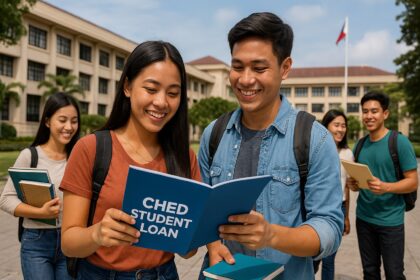


Getting a college education in the Philippines can be expensive. From tuition fees to books and daily allowances, many students and families struggle to keep up. This is where a student loan (pautang pang-estudyante) becomes a lifesaver. Whether you need fast cash for enrollment or long-term financing for your degree, there are multiple options available – from government programs like SSS, GSIS, CHED-UniFAST to private lending apps and banks.
- What is a Student Loan in the Philippines?
- Types of Student Loans Available in the Philippines
- Requirements for Applying for a Student Loan in PH
- How to Apply for a Student Loan – Step by Step
- Best Student Loan Programs in the Philippines
- CHED-UniFAST Student Loan
- SSS Educational Assistance Loan
- GSIS Student Loan
- Private Bank Student Loans
- Online Lending Apps
- Tips to Borrow Smart and Avoid Debt Traps
- FAQ – Student Loans in the Philippines
- Can I get a student loan without a guarantor?
- How much can I borrow for a student loan?
- Do student loans in PH have grace periods?
- Is it possible to get a student loan if I already have an existing loan?
- Which is better: government loan or lending app?
- Do student loans cover gadgets and allowances?
- Can international students apply for loans in PH?
This article explains everything you need to know about how to apply for a student loan in PH: requirements, application process, best loan options, and smart tips to avoid debt traps.
What is a Student Loan in the Philippines?
A student loan (utang para sa pag-aaral) is a type of financing that helps students cover tuition and other school-related expenses. Unlike scholarships or grants, loans need to be repaid with interest.
Common expenses covered by student loans:
- Tuition and miscellaneous fees
- Books and school supplies
- Allowances for food and transportation
- Gadgets like laptops for online classes
Types of Student Loans Available in the Philippines
Government Student Loans
The Philippine government offers several programs through CHED, SSS, GSIS, and other agencies. These usually have lower interest rates and flexible terms.
Private Student Loans
Banks and online lending apps (pautang online) provide faster approval but with higher interest.
| Loan Provider | Interest Rate | Loan Amount | Repayment Term | Who Can Apply |
| CHED-UniFAST | 0%–3% | ₱5,000–₱60,000 | After graduation | Students in public/private HEIs |
| SSS Educational Loan | 6% per year | Up to ₱20,000 per sem | Payable after studies | Members/beneficiaries |
| GSIS Educational Loan | 8% per year | Up to ₱100,000 | 10 years | Children of GSIS members |
| Private Banks | 10%–18% | ₱10,000–₱200,000 | 1–5 years | Students with co-borrowers |
| Lending Apps | 15%–35% | ₱1,000–₱30,000 | 30–180 days | Students + guarantor |
Requirements for Applying for a Student Loan in PH
General requirements:
- Valid school ID and enrollment form
- Birth certificate (PSA)
- Transcript of Records (if required)
- Proof of billing (for address verification)
- Co-borrower or guarantor (parent/guardian)
Additional requirements for government loans:
- Membership in SSS/GSIS (for family member)
- Certificate of indigency (sometimes required)
- Acceptance in accredited universities/colleges
How to Apply for a Student Loan – Step by Step
- Choose the type of loan – government or private.
- Check eligibility – confirm requirements before applying.
- Prepare documents – ID, enrollment form, guarantor info.
- Submit application – online or at the nearest office.
- Wait for approval – may take hours (apps) or weeks (government).
- Receive funds – via bank transfer, check, or directly to school.
- Repay on time – to avoid penalties and high interest.
📌 Pro Tip: Always compare multiple loan options before deciding.
Best Student Loan Programs in the Philippines
CHED-UniFAST Student Loan
- Zero to minimal interest
- Payment starts after graduation
- Available nationwide
SSS Educational Assistance Loan
- For members and beneficiaries
- Payable after studies
- Up to ₱20,000 per semester
GSIS Student Loan
- For government employees’ dependents
- Larger loan amounts
- Longer repayment period (up to 10 years)
Private Bank Student Loans
- Metrobank, BPI, UnionBank offer education loans
- Faster approval compared to government loans
Online Lending Apps
- Examples: Tala, Cashalo, Home Credit
- Fast approval (minutes to hours)
- Higher interest, short repayment term
Tips to Borrow Smart and Avoid Debt Traps
Do’s:
- Borrow only what you need
- Look for 0% or low-interest programs
- Pay installments on time
- Explore scholarships before loans
Don’ts:
- Don’t rely on multiple apps at once
- Don’t skip payments – it will affect your credit score
- Don’t ignore terms & conditions
FAQ – Student Loans in the Philippines
Can I get a student loan without a guarantor?
Most government loans require a co-borrower, but some lending apps allow students to apply independently, though with higher interest.
How much can I borrow for a student loan?
Amounts range from ₱5,000 (apps) up to ₱200,000 (banks). Government programs usually offer ₱10,000–₱60,000 per semester.
Do student loans in PH have grace periods?
Yes. Many programs let you start repayment after graduation, especially CHED and SSS loans.
Is it possible to get a student loan if I already have an existing loan?
Yes, but approval may be harder. Multiple loans increase your debt-to-income ratio, lowering your chance of approval.
Which is better: government loan or lending app?
Government loans are cheaper but slower. Apps are faster but more expensive. Choose based on urgency.
Do student loans cover gadgets and allowances?
Yes. Many loans allow part of the funds to be used for laptops, daily transport, and meals.
Can international students apply for loans in PH?
Most programs are for Filipino citizens. Private banks may allow foreign students with guarantors.
Applying for a student loan in the Philippines is easier today with the variety of government programs, private banks, and online lending apps. The key is to compare interest rates, terms, and requirements before committing.
👉 Compare the best loan apps in the Philippines →