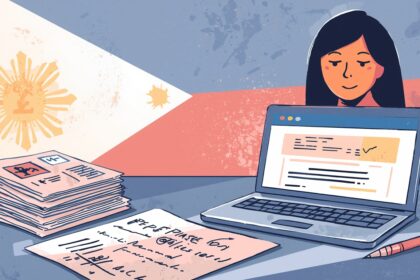


Debt is a reality for many Filipinos—whether from credit cards, pautang online apps, salary loans, or housing loans. When payments become overwhelming, ignoring lenders only makes things worse. Instead, the best approach is to negotiate with lenders for more flexible repayment terms.
- Why Negotiation Matters
- Common Reasons Filipinos Negotiate with Lenders
- Strategies to Negotiate Effectively
- 1. Assess Your Financial Situation
- 2. Contact Your Lender Early
- 3. Be Honest and Specific
- 4. Negotiate for Favorable Options
- 5. Get Everything in Writing
- Possible Negotiation Outcomes
- Negotiation with Different Types of Lenders in PH
- Legal Rights of Borrowers in the Philippines
- Tips for Successful Negotiation
- FAQ – Negotiating with Lenders in the Philippines
- Can I ask a lender to lower my interest rate?
- Will lenders forgive part of my utang?
- Can online lending apps negotiate?
- What happens if I ignore my lender?
- Is debt negotiation legal in the Philippines?
- Do I need a lawyer to negotiate?
- Will negotiation affect my credit score?
- Conclusion
In the Philippines, debt negotiation can help you reduce interest rates, waive penalties, extend repayment terms, or even settle for less than the original amount. This article will guide you step-by-step on how to negotiate, what options exist, and how to protect yourself during the process.

Why Negotiation Matters

- Avoid default: Missed payments can damage your credit score.
- Reduce stress: Open communication with lenders often stops collection harassment.
- Save money: Negotiated terms may cut interest and penalties.
- Legal protection: A formal agreement is safer than verbal promises.
👉 If you’re struggling with multiple loans, see also our Debt Management section.
Common Reasons Filipinos Negotiate with Lenders
Job Loss or Reduced Income
Many OFWs and local employees face sudden unemployment or lower salaries.
Medical Emergencies
Unexpected hospital bills can eat up monthly budgets.
Multiple Loan Obligations
Balancing credit card debt, salary loans, and online pautang apps is challenging.
High-Interest Accumulation
With rates up to 15% monthly in payday loans, negotiation is often the only solution.

Strategies to Negotiate Effectively
1. Assess Your Financial Situation
Before calling your lender, prepare:
- List of debts, balances, and interest rates
- Realistic monthly budget
- Proof of income (payslips, COE, remittances)
2. Contact Your Lender Early
Don’t wait until your account is in collections. Lenders are more open to negotiation if you approach them before legal action.
3. Be Honest and Specific
Explain your situation (job loss, illness, temporary hardship). Always propose a repayment plan instead of saying “I can’t pay.”
4. Negotiate for Favorable Options
- Lower interest rate
- Waiver of late fees and penalties
- Longer repayment term
- Debt restructuring or consolidation
5. Get Everything in Writing
Always request a written agreement (email, contract, statement of account).
Possible Negotiation Outcomes
| Option | Description | Best For |
| Restructuring | Adjust loan terms with same lender | Housing loans, personal loans |
| Consolidation | Combine debts into one loan | Multiple credit cards, payday apps |
| Balance Transfer | Move credit card debt to lower-interest card | High credit card balances |
| Debt Settlement | Pay less than total owed (lump sum) | Borrowers with cash ready |
| Payment Holiday | Temporary suspension of payments | Short-term income loss |
Negotiation with Different Types of Lenders in PH
Banks
Banks are usually open to restructuring, balance transfers, and installment programs. Example: BPI Special Installment Plan.
Government Agencies
- SSS → Salary loan restructuring with penalty condonation
- Pag-IBIG → Housing loan restructuring with extended terms
- GSIS → Consolidated loan program for government employees
Online Lending Apps
Some fintech lenders (Cashalo, Tala, Home Credit) allow rescheduling if you have a good payment record.
Informal Lenders (5-6 lenders)
Negotiation is harder but possible. Always insist on written agreements and avoid verbal-only deals.
Legal Rights of Borrowers in the Philippines
- Lenders must comply with BSP Fair Debt Collection Practices.
- Collectors cannot harass, threaten, or publicly shame borrowers.
- You have the right to dispute unfair charges.
- Written agreements are enforceable under Philippine law.
👉 For more details, see our guide on Debt Management.
Tips for Successful Negotiation
- Be respectful and professional during discussions.
- Offer a realistic repayment plan instead of vague promises.
- If possible, make a lump-sum offer to settle for less.
- Consider involving a credit counselor or lawyer for large debts.
- Always double-check the math (new interest, term, total cost).
FAQ – Negotiating with Lenders in the Philippines
Can I ask a lender to lower my interest rate?
Yes. Many banks and online lenders accept reduced interest rates if you show repayment capacity.
Will lenders forgive part of my utang?
Sometimes. This is called debt settlement, where you pay less than the full balance in a lump sum.
Can online lending apps negotiate?
Yes, some apps allow payment extensions or restructuring, but terms are stricter compared to banks.
What happens if I ignore my lender?
Ignoring lenders leads to more penalties, legal action, and damaged credit history. Negotiation is always better.
Is debt negotiation legal in the Philippines?
Yes. It is a recognized practice and even encouraged by government agencies like SSS, GSIS, and Pag-IBIG.
Do I need a lawyer to negotiate?
Not always. Most negotiations are done directly. But for large debts or aggressive collectors, a lawyer can protect your rights.
Will negotiation affect my credit score?
Yes. Your account may be marked as “restructured,” but this is better than a default or court case.
Conclusion
Negotiating with lenders in the Philippines is not a sign of weakness—it’s a smart financial strategy. By proactively reaching out, presenting a realistic plan, and securing written agreements, you can protect your finances, reduce stress, and avoid legal problems.
Always remember: negotiation works best with honesty, discipline, and a commitment to follow through.
Compare the best loan apps in the Philippines →