
Many Filipinos rely on pautang online apps for emergency cash. While convenient, some lending apps use aggressive tactics to collect payments—calls to family, threats, and even public shaming. This practice is known as loan app harassment, and it is both stressful and often illegal.
- What is Loan App Harassment?
- Why Loan App Harassment Happens
- Borrower Rights in the Philippines
- How to Avoid Loan App Harassment – Practical Steps
- 1. Borrow Only from Legitimate Apps
- 2. Limit App Permissions
- 3. Communicate Early
- 4. Document All Interactions
- 5. Report Abusive Practices
- Alternatives to High-Risk Loan Apps
- When Harassment Becomes Criminal
- Tips for Responsible Borrowing
- FAQ – Avoiding Loan App Harassment in the Philippines
- Can loan apps call my family or employer?
- What should I do if a loan app threatens me?
- Are all loan apps safe to use?
- Can loan apps access my contacts?
- Will I go to jail if I can’t pay a loan app?
- How can I check if a loan app is legal?
- Can I negotiate with a loan app for more time?
- Conclusion
This guide will explain your rights as a borrower, how to deal with abusive collectors, and what steps to take to protect yourself. By the end, you’ll know how to manage utang without falling victim to harassment.
What is Loan App Harassment?
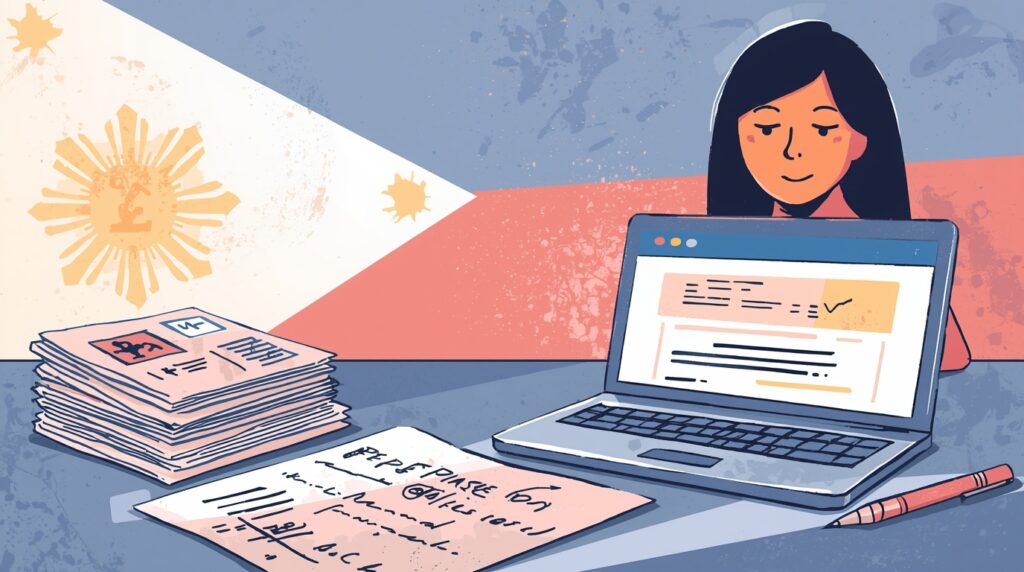
Loan app harassment refers to abusive or unlawful collection practices by some lending companies. These may include:
- Continuous calls and texts at all hours
- Contacting family, friends, or employers without consent
- Using threats, insults, or intimidation
- Posting personal details online (public shaming)
👉 The Bangko Sentral ng Pilipinas (BSP) and the National Privacy Commission (NPC) regulate lending apps and prohibit these practices.
Why Loan App Harassment Happens
- High interest rates → Borrowers struggle to pay on time
- Unregulated lending apps → Some apps operate without BSP licenses
- Weak debt collection oversight → Collectors pressure borrowers to maximize repayment
Borrower Rights in the Philippines
BSP Rules on Fair Collection Practices
- Collectors can only contact borrowers during reasonable hours (8 AM–9 PM)
- Harassment, threats, or public shaming are strictly prohibited
- Third parties (family, friends, employers) cannot be contacted without consent
National Privacy Commission (NPC) Protection
- Lending apps must not misuse personal data
- Unauthorized access to contacts and photos is illegal
- Borrowers may file a privacy complaint with NPC
👉 For more resources, check our Debt Management section.
How to Avoid Loan App Harassment – Practical Steps
1. Borrow Only from Legitimate Apps
Always check if the lending app is registered with:
- BSP (Bangko Sentral ng Pilipinas)
- SEC (Securities and Exchange Commission)
2. Limit App Permissions
When installing an app, deny unnecessary access (contacts, photos, files).
3. Communicate Early
If you can’t pay on time, inform the lender and request restructuring or extension.
4. Document All Interactions
Keep screenshots of abusive messages, call logs, or threats.
5. Report Abusive Practices
- File a complaint with BSP or NPC
- Report unregistered apps to Google Play Store
- Seek legal help if harassment continues
Alternatives to High-Risk Loan Apps
| Option | Description | Best For |
| Salary Loan (SSS/GSIS) | Government-backed loans with lower interest | Employees & OFWs |
| Bank Personal Loan | Flexible repayment terms, regulated | Salaried workers |
| Credit Card Installment | Balance transfer for lower interest | Credit card users |
| Cooperatives (Co-ops) | Community lending with fair rates | Members of co-ops |
| Pawnshops | Collateral-based, quick release | Emergency needs |
When Harassment Becomes Criminal
Loan app harassment may fall under:
- Anti-Violence Against Women and Children Act (if threats are made)
- Cybercrime Prevention Act (if online shaming occurs)
- Data Privacy Act (if apps misuse personal information)
Borrowers can file cases in local courts or through government agencies.
Tips for Responsible Borrowing
- Borrow only what you can repay (utang responsibly).
- Build an emergency fund to avoid relying on high-interest loans.
- Compare interest rates and choose safer options like banks or cooperatives.
- Prioritize needs over wants to reduce financial stress.
👉 For safer options, see our Online Loans and Salary Loan guides.
FAQ – Avoiding Loan App Harassment in the Philippines
Can loan apps call my family or employer?
No. Collectors cannot contact third parties without your written consent.
What should I do if a loan app threatens me?
Document the threat, report to BSP/NPC, and seek legal advice.
Are all loan apps safe to use?
No. Only apps registered with BSP and SEC are legitimate. Always check before borrowing.
Can loan apps access my contacts?
Legitimate apps should not misuse contact lists. Unauthorized access violates the Data Privacy Act.
Will I go to jail if I can’t pay a loan app?
No. Debt is a civil, not criminal, case in the Philippines. But lenders may file a civil case for recovery.
How can I check if a loan app is legal?
Visit the BSP or SEC website for updated lists of registered lenders.
Can I negotiate with a loan app for more time?
Yes. Many regulated lenders allow restructuring, installment plans, or extensions.
Conclusion
Loan apps can be helpful in emergencies, but borrowers should be cautious. Harassment by abusive lenders is illegal and should not be tolerated. By borrowing responsibly, knowing your rights, and reporting violators, you can protect yourself and your family.
Compare the best loan apps in the Philippines →