

Managing finances on a limited salary can be challenging. For many Filipinos, a credit card is more than just plastic—it’s a lifeline for emergencies, daily expenses, and even building credit history. But the common fear is: “Can I get approved if my income is low?” The good news is yes. Banks in the Philippines offer credit cards tailored for low-income earners, students, and first-time applicants.
- Why Credit Cards Matter for Low Income Earners
- Requirements for Low Income Credit Cards in the Philippines
- Best Credit Cards for Low Income in the Philippines
- Tips to Increase Approval Chances for Low Income Earners
- Alternatives to Credit Cards for Low Income Earners
- FAQ – Best Credit Cards for Low Income Earners
- Can I get a credit card if my income is below ₱15,000?
- What is the easiest credit card to get in the Philippines?
- Do I need a credit history to apply?
- Which credit card has no annual fee?
- What happens if I miss a payment?
- Is it better to get a credit card or online loan?
- Can students apply for credit cards?
- Conclusion
This guide breaks down the best credit cards for low income earners, their requirements, benefits, and how to maximize their use without falling into utang (debt). We’ll also show you tips to boost approval chances, plus where to compare and apply online through trusted pautang apps and partner sites.
Why Credit Cards Matter for Low Income Earners
Credit cards are often misunderstood. Many think they are only for the rich, but in reality, they can be powerful financial tools for everyday Filipinos earning minimum wage or slightly above.
Benefits of Having a Credit Card Even with Low Salary
- Emergency funds – quick access to money without applying for a loan.
- Cashless convenience – safer than carrying pesos in cash.
- Build credit history – important for future big loans (car, housing, salary loan).
- Exclusive promos – discounts, rebates, and points from groceries, bills, and shopping.
- Installment plans – spread out payments on gadgets, tuition, or bills.
👉 Pro tip: Use your card wisely and pay on time to avoid high finance charges.
Requirements for Low Income Credit Cards in the Philippines
Most banks set minimum income requirements to qualify for a credit card.
Standard Requirements
- Valid government ID (UMID, Passport, Driver’s License)
- Proof of income (payslip, COE, ITR)
- Minimum monthly income: ₱10,000 – ₱15,000 for entry-level cards
- Age: 21 – 65 years old
- Good credit standing (no unpaid loans or overdue credit)
👉 If you are a student or freelancer, some banks offer secured credit cards backed by a deposit.
Best Credit Cards for Low Income in the Philippines
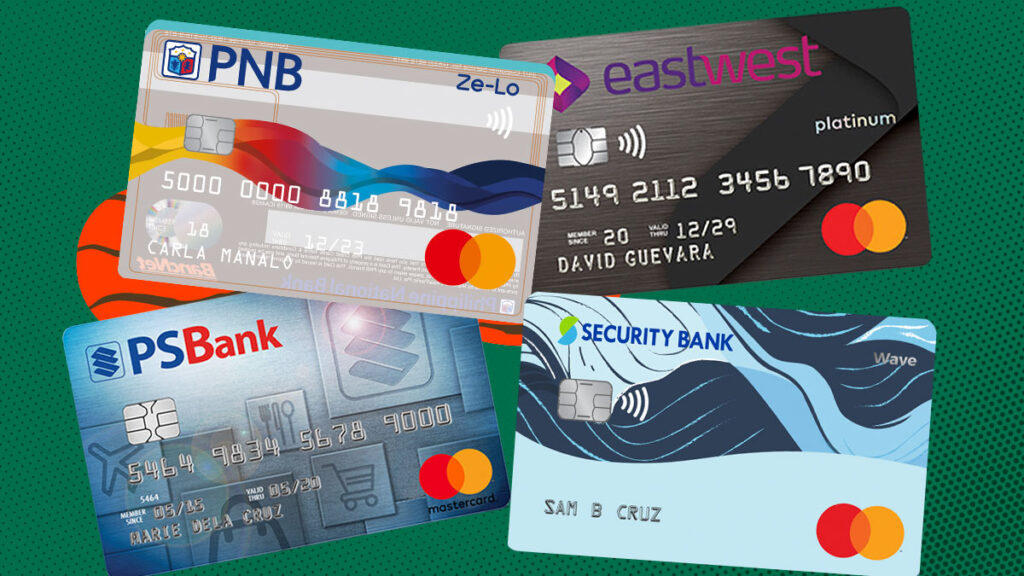
Here’s a comparison of the top entry-level credit cards you can apply for.
Credit Card Comparison Table
| Bank / Card | Minimum Income | Annual Fee | Key Benefits | Ideal For |
| BPI Edge Card | ₱10,000 | ₱1,320 (waived 1st yr) | 0% installment, rewards points | Students, first-timers |
| Metrobank M Free Mastercard | ₱15,000 | Free for life | Cashback, easy approval | Budget-conscious earners |
| Security Bank Fast Track Secured Card | Deposit-based | ₱2,000 | Guaranteed approval, build credit | Freelancers, low earners |
| RCBC Bankard InstaCard | ₱15,000 | ₱1,500 | Installment plans, reward points | Salaried employees |
| UnionBank Classic | ₱15,000 | ₱1,500 | Rebates, online shopping perks | Online buyers |
Tips to Increase Approval Chances for Low Income Earners
Smart Steps Before Applying
- Start with a secured credit card – deposit a certain amount to get guaranteed approval.
- Apply with your payroll bank – easier approval if your salary is credited to that bank.
- Maintain a savings account – shows financial responsibility.
- Apply for entry-level cards – avoid platinum or high-limit cards if you’re new.
- Don’t apply to multiple banks at once – can lower your approval chances.
👉 Want to explore alternatives? Check out our Salary Loan section.
Alternatives to Credit Cards for Low Income Earners
If you don’t qualify for a credit card yet, there are other options.
- Pautang online apps – fast approval, no credit history needed.
- Salary loans – short-term loans for emergencies.
- Buy now, pay later apps – installment plans with flexible terms.
- Microfinance institutions – offer small cash loans to low-income borrowers.
💡 Explore our full guide on Online Loans.
FAQ – Best Credit Cards for Low Income Earners
Can I get a credit card if my income is below ₱15,000?
Yes. Some banks like BPI and Security Bank offer entry-level and secured cards for minimum wage earners.
What is the easiest credit card to get in the Philippines?
Secured credit cards and bank payroll-linked cards are the easiest since approval is based on your deposit or salary.
Do I need a credit history to apply?
No. First-time applicants can start with secured or low-income cards to build their credit record.
Which credit card has no annual fee?
Metrobank M Free Mastercard is free for life, making it ideal for low earners.
What happens if I miss a payment?
Banks charge late fees and high interest (3–4% monthly). Always pay on time to avoid utang piling up.
Is it better to get a credit card or online loan?
Credit cards are better long-term because they build credit history, while pautang apps are quick but expensive.
Can students apply for credit cards?
Yes, with a co-borrower (usually parents) or through secured cards.
Conclusion
Having a credit card while on a low income is possible and even smart—if used responsibly. It gives you access to emergency funds, builds your financial history, and helps manage expenses. Start small, choose the right card, and always pay on time.
✅ Ready to find the perfect option? Compare the best loan and credit card apps in the Philippines now →