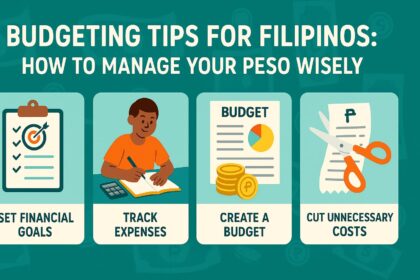


Unexpected expenses—hospital bills, job loss, typhoons, or urgent family needs—are part of life in the Philippines. Without savings, many Filipinos turn to pautang online or salary loans, which can lead to more utang and financial stress.
- What Is an Emergency Fund?
- Why Filipinos Need an Emergency Fund
- 1. Protection from Utang
- 2. Peace of Mind
- 3. Preparedness for Natural Disasters
- 4. Flexibility in Life Decisions
- How Much Should You Save for an Emergency Fund?
- Where to Keep Your Emergency Fund
- How to Build Your Emergency Fund in the Philippines
- 1. Set a Clear Goal
- 2. Save Before Spending
- 3. Cut Non-Essential Expenses
- 4. Use the Envelope (Sobre) Method
- 5. Automate Savings
- 6. Earn Extra Income
- Common Mistakes Filipinos Make About Emergency Funds
- Emergency Fund vs. Regular Savings vs. Investments
- FAQ – Emergency Fund in the Philippines
- 1. How much should a Filipino save for an emergency fund?
- 2. Where is the best place to keep an emergency fund?
- 3. Can I use my emergency fund for paying debts?
- 4. How long does it take to build an emergency fund?
- 5. What’s the difference between an emergency fund and savings?
- 6. Can OFWs also build an emergency fund?
- 7. Is ₱10,000 enough for an emergency fund?
- Conclusion
This is why having an emergency fund is crucial. It acts as your financial safety net, helping you survive tough times without borrowing or draining your regular budget. In this guide, we’ll explain why every Filipino needs an emergency fund, how much you should save, and practical steps to build one—even with a limited income.

What Is an Emergency Fund?
An emergency fund is a separate savings account designed to cover urgent, unexpected expenses. Unlike regular savings for travel or gadgets, this money is reserved strictly for emergencies.
Examples of emergencies in the Philippines:
- Medical bills not covered by PhilHealth or HMO.
- Job loss or reduced working hours.
- Repairs due to typhoons, floods, or earthquakes.
- Family emergencies (education, funerals, urgent travel).
👉 Read our Debt Management section to see how an emergency fund helps you avoid falling into debt.
Why Filipinos Need an Emergency Fund
1. Protection from Utang
Without savings, many Filipinos depend on pautang online or fast cash loans. While convenient, these loans often come with high interest rates. An emergency fund reduces your dependence on borrowing.
2. Peace of Mind
Knowing you have money set aside lowers stress. You don’t need to panic when bills arrive or when unexpected gastos happen.
3. Preparedness for Natural Disasters
The Philippines is prone to typhoons and earthquakes. An emergency fund ensures you can quickly cover basic needs during crises.
4. Flexibility in Life Decisions
With savings, you can quit a toxic job, relocate, or pursue new opportunities without financial fear.
How Much Should You Save for an Emergency Fund?
Most financial experts recommend saving 3 to 6 months’ worth of living expenses. But in the Philippines, even ₱20,000–₱50,000 can make a big difference.
| Monthly Expenses | Minimum Emergency Fund (3 months) | Ideal Emergency Fund (6 months) |
| ₱15,000 | ₱45,000 | ₱90,000 |
| ₱20,000 | ₱60,000 | ₱120,000 |
| ₱30,000 | ₱90,000 | ₱180,000 |
Tip: Start small. Even saving ₱50/day = ₱18,250/year. That’s a solid foundation.
Where to Keep Your Emergency Fund
- Digital banks (Maya, Tonik, CIMB) – higher interest rates, easy access.
- Separate savings account – ensures you don’t mix it with daily expenses.
- Time deposits – safe but less liquid; good for larger funds.
- Cash at home (small portion only) – for urgent disasters when ATMs are down.
⚠️ Avoid keeping your emergency fund in risky investments (stocks, crypto) where value can drop.
How to Build Your Emergency Fund in the Philippines
1. Set a Clear Goal
Know exactly how much you need (₱50,000? ₱100,000?). A specific target makes saving easier.
2. Save Before Spending
Follow the “pay yourself first” principle. Every payday, set aside savings immediately.
3. Cut Non-Essential Expenses
- Skip daily milk tea (₱150 x 20 days = ₱3,000/month).
- Limit food deliveries and eat home-cooked meals.
- Reduce online shopping splurges.
These alone can free ₱5,000+ monthly.
4. Use the Envelope (Sobre) Method
Allocate cash into envelopes: bills, groceries, transport, savings. Dedicate one envelope strictly for emergencies.
5. Automate Savings
Set up auto-transfer in your payroll or GCash wallet. If you never see the money, you won’t spend it.
6. Earn Extra Income
Side hustles are popular among Filipinos:
- Freelancing (writing, VA, tutoring).
- Selling on Lazada/Shopee.
- Weekend food or sari-sari store business.
Extra income speeds up your emergency fund goal.
Common Mistakes Filipinos Make About Emergency Funds

- Using the fund for wants (gadgets, vacations).
- Keeping it all in cash at home (unsafe).
- Saving too little (₱5,000 won’t cover hospital bills).
- Mixing it with daily savings or investments.
- Relying on utang instead of building the fund.
Emergency Fund vs. Regular Savings vs. Investments
| Type | Purpose | Accessibility | Risk |
| Emergency Fund | Unexpected expenses | High | Very Low |
| Regular Savings | Goals (travel, gadgets, tuition) | Medium | Low |
| Investments | Wealth growth (stocks, crypto) | Low | High |
👉 Explore our Online Loans and Salary Loan sections for situations when borrowing is unavoidable—but build your emergency fund first.
FAQ – Emergency Fund in the Philippines
1. How much should a Filipino save for an emergency fund?
Ideally 3–6 months of expenses. For beginners, even ₱20,000–₱50,000 is a good start.
2. Where is the best place to keep an emergency fund?
Digital banks or separate savings accounts with easy access. Avoid risky investments.
3. Can I use my emergency fund for paying debts?
No. Debt repayment should come from your regular budget. Emergency funds are strictly for unexpected gastos.
4. How long does it take to build an emergency fund?
Depends on income. Saving ₱5,000 monthly builds ₱60,000 in one year.
5. What’s the difference between an emergency fund and savings?
Savings can be for goals (vacation, gadgets). Emergency funds are for urgent, unforeseen events.
6. Can OFWs also build an emergency fund?
Yes. OFWs should keep a portion of remittances in Philippine banks for family emergencies.
7. Is ₱10,000 enough for an emergency fund?
It’s a start, but ideally aim for at least ₱50,000+ for better protection.






Conclusion
An emergency fund is not a luxury—it’s a necessity for every Filipino. It protects you from utang, prepares you for natural disasters, and gives peace of mind. Even if you start small, consistency will help you build a fund that secures your family’s future.
Start today. Save a little each day, automate your savings, and avoid dipping into it for non-emergencies. Your financial stability depends on it.
Compare the best loan apps in the Philippines →