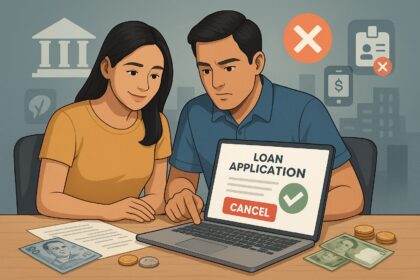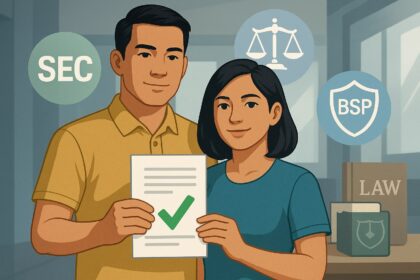

In the Philippines, thousands of borrowers rely on lending companies, pautang online apps, and financing institutions to access quick cash. Unfortunately, not all lenders are legitimate. Some operate without approval, leading to abusive collection practices and high interest rates.
- Why It’s Important to Borrow Only from SEC-Licensed Lenders
- Step-by-Step Guide to Checking if a Lender is Licensed by SEC
- Step 1: Go to the SEC Website
- Step 2: Use the SEC Lending and Financing Companies List
- Step 3: Verify the Certificate of Authority (CA)
- Step 4: Check for SEC Advisories
- Step 5: Cross-Check with BSP (Bangko Sentral ng Pilipinas) if Digital
- How to Identify Fake or Scam Lenders
- List of Common SEC-Licensed Lenders in the Philippines
- Tips for Safe Borrowing in the Philippines
- Related Resources for Borrowers
- Frequently Asked Questions (FAQ)
- How can I check if a loan app is SEC-registered?
- Can a company operate with SEC registration only?
- What happens if I borrow from an unlicensed lender?
- Are all lending apps in Google Play legit?
- Does SEC regulate interest rates?
- How often is the SEC licensed lenders list updated?
- Can I report an illegal lender to SEC?
- Conclusion
To protect consumers, the Securities and Exchange Commission (SEC) regulates and licenses lending and financing companies. Before applying for a salary loan, personal loan, or business loan, it is essential to check whether the lender is SEC-licensed.
This article will guide you step-by-step on how to verify a licensed lender in the Philippines, provide links to official SEC resources, and explain why borrowing only from authorized institutions is crucial.
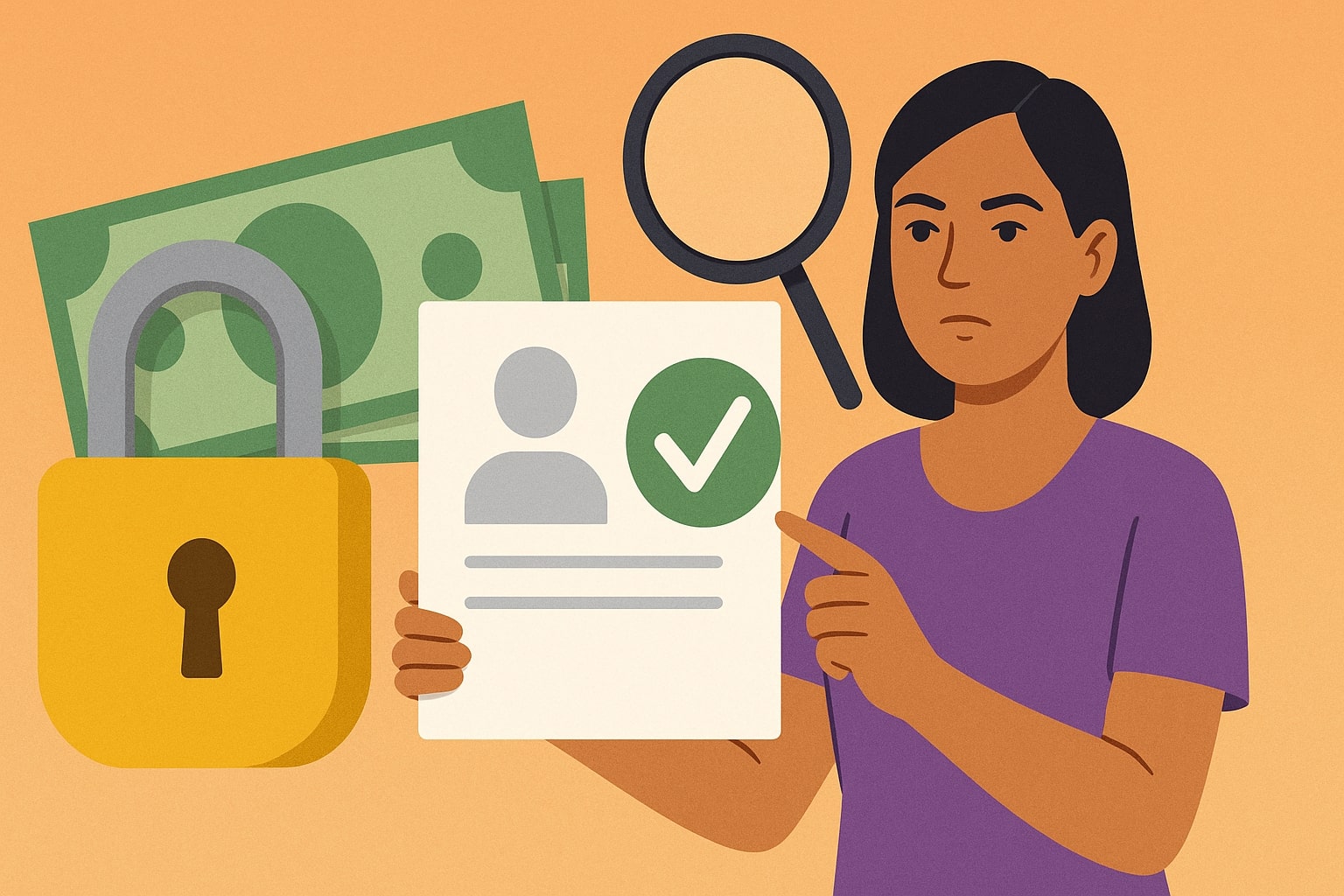
Why It’s Important to Borrow Only from SEC-Licensed Lenders
Risks of Unlicensed Lenders
- Extremely high interest rates (far beyond legal limits)
- Harassment and abusive collection practices
- No consumer protection or legal recourse
- Risk of data privacy violations (access to contacts/photos)
Benefits of SEC-Licensed Lenders
- Transparent loan terms and conditions
- Regulated interest rates and fees
- Protection under Philippine lending laws
- Credibility and accountability
👉 Always verify before signing any loan contract.
Step-by-Step Guide to Checking if a Lender is Licensed by SEC
Step 1: Go to the SEC Website
Visit the Securities and Exchange Commission Philippines official site: www.sec.gov.ph.
Step 2: Use the SEC Lending and Financing Companies List
SEC regularly publishes a list of all registered and authorized lenders. You can search by:
- Company name
- Registration number
- Business type (lending or financing)
Step 3: Verify the Certificate of Authority (CA)
Even if a company is SEC-registered, they must also secure a Certificate of Authority to Operate as a lending or financing company. Without this, they are not allowed to grant loans.
Step 4: Check for SEC Advisories
The SEC issues public advisories against unlicensed or scam lenders. Check the “Advisories” section for warnings.
Step 5: Cross-Check with BSP (Bangko Sentral ng Pilipinas) if Digital
If you’re using a loan app, ensure it is also regulated by BSP if it offers digital payments.
How to Identify Fake or Scam Lenders
| Red Flags of Unlicensed Lenders | What Legit SEC-Licensed Lenders Do |
| No SEC registration number | Display SEC registration publicly |
| No Certificate of Authority | Provide copy upon request |
| Abusive debt collection (threats, shaming) | Follow Fair Collection Practices |
| Suspiciously high interest (20-50%/month) | Legal caps under SEC regulation |
| Mobile app not in BSP’s approved list | App published with proper licenses |
List of Common SEC-Licensed Lenders in the Philippines
- BDO Network Bank – Salary loan, SME financing
- Home Credit Philippines – Consumer loans
- RFC (Radiowealth Finance Corporation) – Multi-purpose loans
- Cashalo – Online installment loans
- Tala Philippines – Digital loan app
📌 These are examples only. Always double-check on the official SEC website.
Tips for Safe Borrowing in the Philippines
- Always check lender’s SEC Registration and Certificate of Authority.
- Avoid apps or lenders that ask for unnecessary permissions (contacts, gallery).
- Read reviews on social media and forums before applying.
- Compare interest rates with banks and cooperatives.
- If in doubt, consult with the SEC or seek legal advice.
Related Resources for Borrowers






Frequently Asked Questions (FAQ)
How can I check if a loan app is SEC-registered?
Go to the SEC website, check the Lending Companies list, and search the app’s legal company name (not just the brand).
Can a company operate with SEC registration only?
No. They must also have a Certificate of Authority to legally lend money.
What happens if I borrow from an unlicensed lender?
You risk harassment, illegal interest rates, and no legal protection in disputes.
Are all lending apps in Google Play legit?
No. Some are unlicensed. Always confirm with SEC.
Does SEC regulate interest rates?
Yes, SEC caps interest and fees to prevent abusive lending practices.
How often is the SEC licensed lenders list updated?
The list is updated regularly, but always check the latest version on the SEC site.
Can I report an illegal lender to SEC?
Yes. You can file a complaint with the SEC Enforcement and Investor Protection Department (EIPD).
Conclusion
Before signing any loan contract or downloading a lending app, always check if the lender is licensed by the SEC. This step protects you from scams, harassment, and illegal charges. Borrow only from legitimate lenders with a Certificate of Authority and a solid reputation.👉 Call-to-action: Compare the best loan apps in the Philippines →