
Borrowing money—whether through banks, cooperatives, or online loan apps (pautang online)—is a common financial solution in the Philippines. But not all borrowers are aware of their legal rights. This lack of knowledge often leads to unfair treatment, harassment, and abusive practices by unlicensed lenders.
- Why Knowing Your Borrower Rights is Important
- Legal Basis of Borrower Rights in the Philippines
- Key Rights of Borrowers in the Philippines
- 1. Right to Clear Disclosure
- 2. Right to Privacy
- 3. Right to Fair Collection Practices
- 4. Right to Choose and Compare Loans
- 5. Right to File Complaints
- Borrower Rights vs. Common Abuses
- How to Exercise Your Rights as a Borrower
- Agencies Protecting Borrowers
- Securities and Exchange Commission (SEC)
- Bangko Sentral ng Pilipinas (BSP)
- National Privacy Commission (NPC)
- Department of Trade and Industry (DTI)
- Tips for Safe Borrowing in the Philippines
- Frequently Asked Questions (FAQ)
- What are my rights if a loan app harasses me?
- Can a lender contact my family and friends about my loan?
- How do I know if a lender is legit?
- Can lenders charge unlimited interest?
- What if I already borrowed from an unlicensed lender?
- Do I have the right to cancel a loan?
- Can I sue a lender for harassment?
- Conclusion
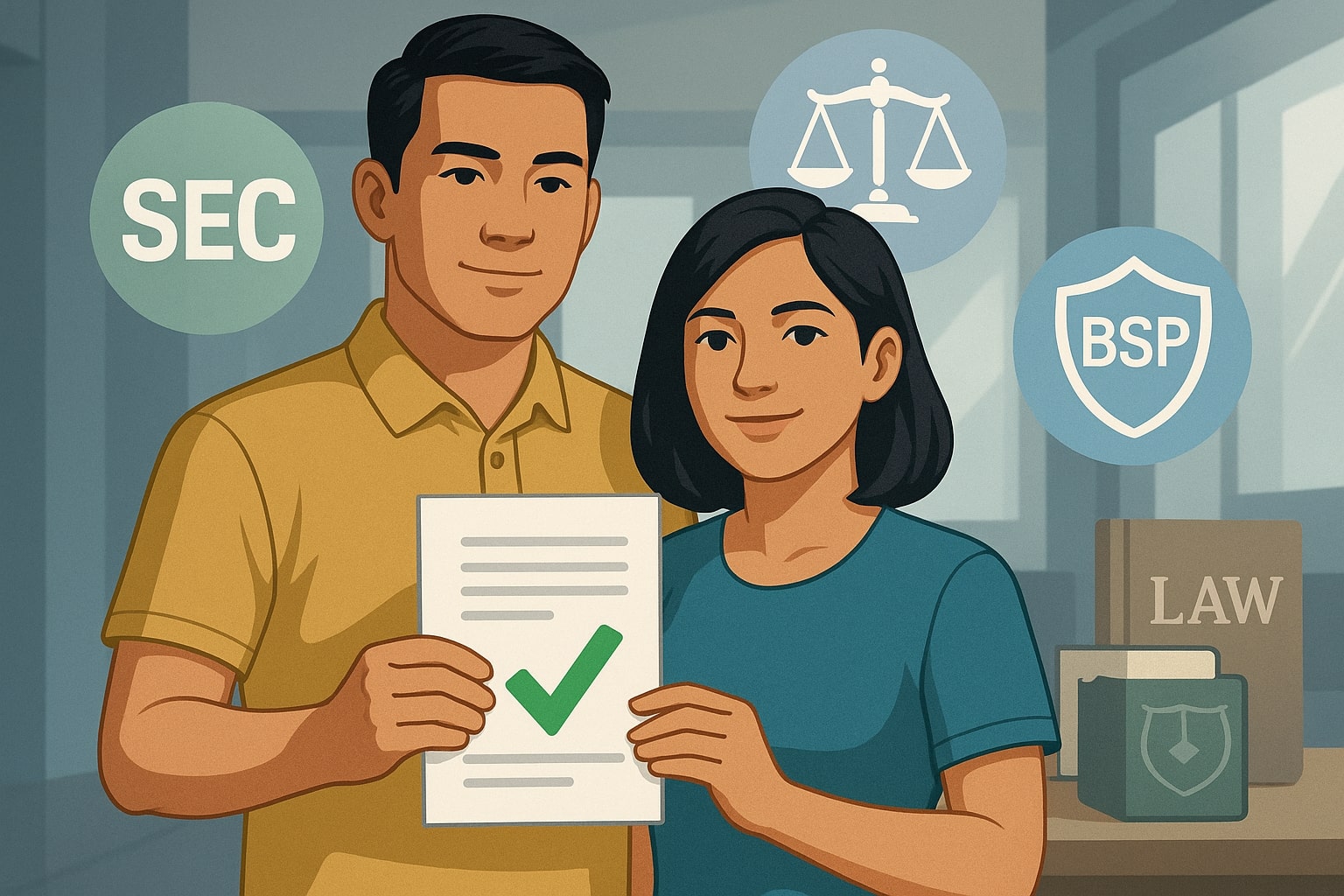
The good news is that Philippine laws and regulatory agencies like the Securities and Exchange Commission (SEC), Bangko Sentral ng Pilipinas (BSP), and the National Privacy Commission (NPC) protect borrowers. Knowing your rights can help you avoid scams, defend yourself against harassment, and make smarter financial decisions.
Why Knowing Your Borrower Rights is Important
- Protects you from abusive collection practices
- Ensures fair loan terms and transparent fees
- Helps avoid illegal lenders
- Gives you confidence when negotiating with banks or cooperatives
- Provides legal remedies in case of disputes
Legal Basis of Borrower Rights in the Philippines
| Law / Regulation | Protection for Borrowers |
| Lending Company Regulation Act (RA 9474) | Requires lenders to register with SEC and secure Certificate of Authority |
| Truth in Lending Act (RA 3765) | Lenders must disclose interest rates, fees, and terms clearly |
| Data Privacy Act (RA 10173) | Protects borrower’s personal information from misuse |
| BSP Circulars (re: Fair Collection Practices) | Prohibits harassment, threats, and shaming |
| Civil Code of the Philippines | Protects against unconscionable contract terms |
Key Rights of Borrowers in the Philippines
1. Right to Clear Disclosure
Borrowers must be informed of:
- Interest rates (APR and monthly)
- Loan term (repayment period)
- All fees and charges (processing, late payment penalties)
2. Right to Privacy
- Lenders cannot misuse borrower data
- Loan apps cannot access contacts/photos without consent
- Harassment through family and friends is illegal
3. Right to Fair Collection Practices
Under BSP and SEC rules, lenders cannot:
- Threaten or use violence
- Publicly shame borrowers
- Call family members to harass
- Collect outside 6 AM–10 PM
4. Right to Choose and Compare Loans
Borrowers can compare different loan products without pressure.
5. Right to File Complaints
If rights are violated, borrowers can complain to:
- SEC (for lending companies)
- BSP (for banks)
- NPC (for privacy violations)
- DTI (for consumer complaints)
Borrower Rights vs. Common Abuses
| Borrower Rights | Common Abuses by Illegal Lenders |
| Transparent loan terms | Hidden charges, unclear interest |
| Privacy of personal data | Access to contacts & harassment |
| Fair collection practices | Threats, shaming on Facebook |
| Legal recourse through SEC/BSP | No registration or license |
| Right to repayment flexibility | Forced lump-sum collections |
How to Exercise Your Rights as a Borrower
- Check SEC Registration before applying → How to Check if Lender is Licensed by SEC
- Read the fine print carefully before signing contracts
- Limit app permissions when using digital lending apps
- Report harassment to SEC, BSP, or NPC
- Keep proof of payments and communication with lender
Agencies Protecting Borrowers
Securities and Exchange Commission (SEC)
- Licenses lending and financing companies
- Issues advisories against illegal lenders
Bangko Sentral ng Pilipinas (BSP)
- Regulates banks, credit card issuers, and fintech companies
- Monitors fair collection practices
National Privacy Commission (NPC)
- Ensures borrower data protection
- Penalizes apps that misuse personal data
Department of Trade and Industry (DTI)
- Handles consumer complaints
- Mediates disputes between borrowers and lenders
Tips for Safe Borrowing in the Philippines
- Borrow only from SEC-licensed lenders
- Avoid giving unnecessary permissions to loan apps
- Use a loan calculator before applying → Loan Calculator Guide
- Compare interest rates of banks, coops, and online apps
- Keep copies of loan agreements and receipts






Frequently Asked Questions (FAQ)
What are my rights if a loan app harasses me?
You can file complaints with the SEC and NPC. Harassment is illegal under Philippine law.
Can a lender contact my family and friends about my loan?
No. This is a violation of your right to privacy and fair collection practices.
How do I know if a lender is legit?
Check the SEC’s official list of licensed lending and financing companies.
Can lenders charge unlimited interest?
No. Interest must be reasonable and disclosed under the Truth in Lending Act.
What if I already borrowed from an unlicensed lender?
You are still obliged to repay, but you can report abusive practices to SEC.
Do I have the right to cancel a loan?
Yes, if funds have not yet been released. See our guide → How to Cancel a Loan Application
Can I sue a lender for harassment?
Yes. You can file a case under consumer protection and data privacy laws.
Conclusion
Borrowers in the Philippines have strong legal rights that protect them from abusive, unlicensed, or unethical lending practices. By knowing your rights—such as the right to clear disclosure, privacy, and fair collection—you can borrow with confidence and avoid scams.
Always deal only with SEC-licensed lenders and report any violations to the proper authorities. Protecting your financial well-being starts with being informed.
👉 Call-to-action: Compare the best loan apps in the Philippines →