
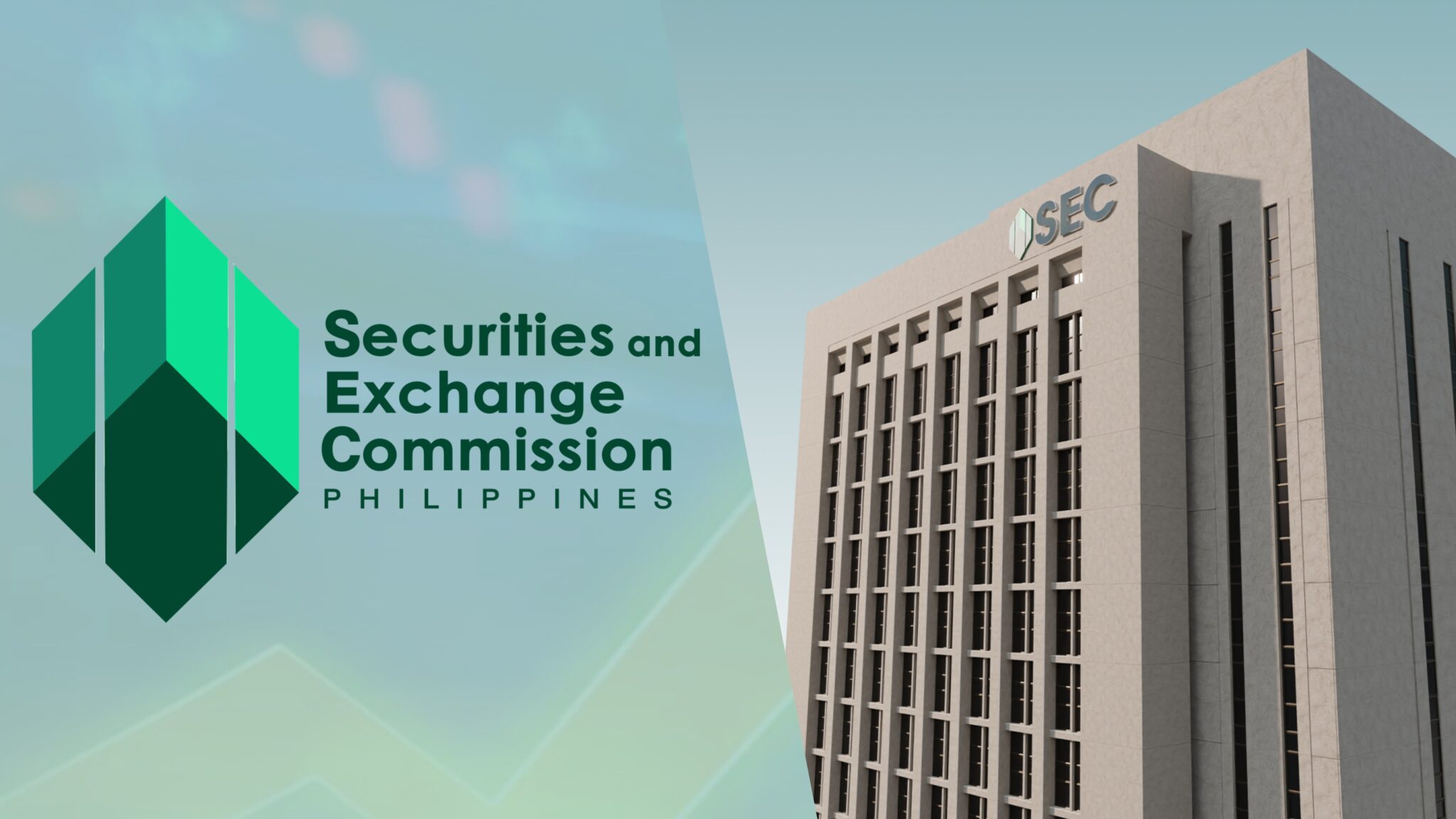
When it comes to borrowing money in the Philippines, one of the biggest concerns of borrowers is safety. With hundreds of pautang online (online lending apps) available, it’s easy to fall victim to unregistered or illegal lenders. This is why the Securities and Exchange Commission (SEC) plays a vital role in regulating loan providers.
- Why SEC Licensing Matters (Importance of Regulation)
- Latest SEC Licensed Lenders Updates (Key Changes)
- How to Verify a Licensed Lender
- Comparison of Loan Sources (Table Format)
- Borrower Rights Under SEC Rules
- Safe Borrowing Tips (Practical Guide)
- FAQ – SEC Licensed Lenders in the Philippines
- How do I know if a loan app is licensed by SEC?
- What happens if I borrow from an unlicensed lender?
- Can online lending apps legally collect debt?
- Are SEC licensed lenders safer than pawnshops?
- Do licensed lenders require collateral?
- How often does SEC update the list of lenders?
- What is the penalty for unlicensed lending?
- Conclusion
In this guide, we’ll discuss the latest SEC licensed lenders updates, how to verify if a lending company is legitimate, and what changes borrowers should know before applying for a loan. We’ll also share practical tips on safe borrowing, comparisons of lender types, and answers to common questions.
Why SEC Licensing Matters (Importance of Regulation)
Getting a loan from an SEC licensed lender means you are protected by Philippine law. Here’s why it matters:
- Consumer Protection: Borrowers are safeguarded against abusive collection practices.
- Transparency: Licensed lenders must disclose all interest rates and fees.
- Legitimacy: Avoids scams, fly-by-night companies, and predatory utang practices.
- Legal Recourse: Borrowers can file complaints if lenders violate SEC rules.
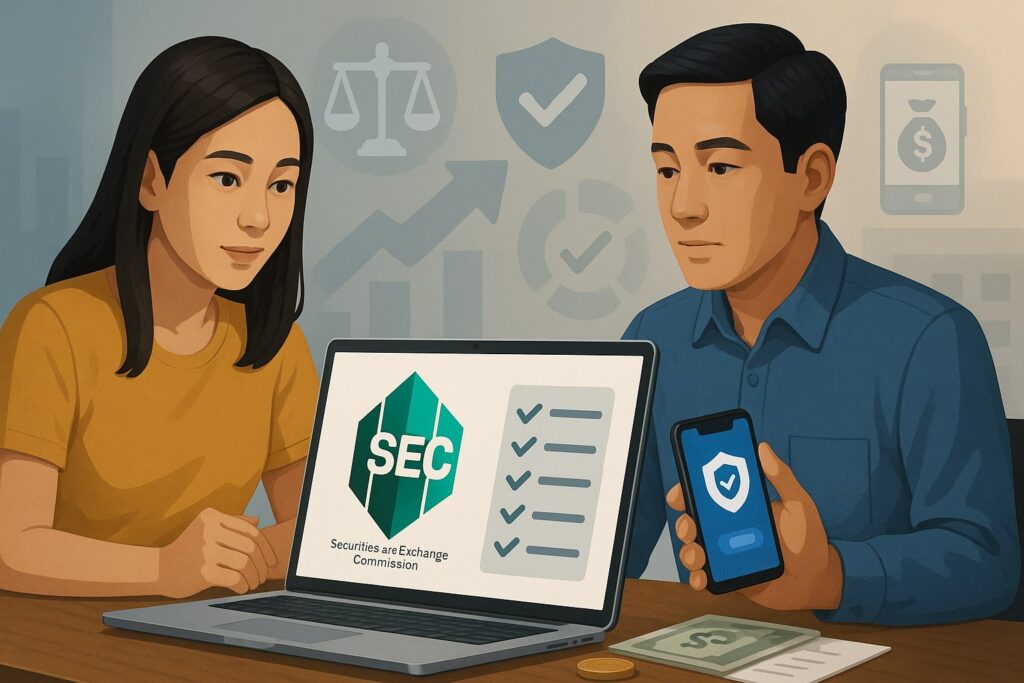
👉 Before applying for any salary loan or cash loan app, always check the SEC’s official website for the updated list of licensed lenders.
Latest SEC Licensed Lenders Updates (Key Changes)
Stricter Rules for Online Lending Apps
- SEC now requires online lending apps to register and submit proof of operations.
- Companies must secure a Certificate of Authority before offering loans.
- Non-compliant apps are banned from Google Play Store and Apple App Store.
Updated List of Licensed Lenders
The SEC regularly publishes an updated list of lenders with active registration. This list includes banks, financing companies, and microfinance institutions.
How to Verify a Licensed Lender
Follow these steps before applying:
- Check SEC Website: Search for the company’s name in the official registry.
- Look for Certificate of Authority (CA): This must be displayed in offices and apps.
- Read Reviews: Borrowers often share experiences on forums and social media.
- Avoid Red Flags: Fake lenders often use threats, hidden fees, or suspicious contracts.
💡 Pro Tip: If an app offers “instant approval” with no requirements, proceed with caution.
Comparison of Loan Sources (Table Format)
| Loan Source | Regulated by SEC? | Typical Interest Rate | Processing Time | Best For |
| Banks | Yes | 1–2% monthly | 3–7 days | Salaried employees, high amounts |
| Licensed Financing Co. | Yes | 3–5% monthly | 1–3 days | Business loans, SME loans |
| Microfinance Institutions | Yes | 2–4% monthly | 1–2 days | Small borrowers, low income families |
| Online Lending Apps | Yes (if SEC-listed) | 5–15% monthly | Within 24 hours | Urgent needs, fast cash |
Borrower Rights Under SEC Rules
- Right to Transparency: Lenders must provide loan contracts in clear terms.
- Right to Privacy: No lender can shame you on social media or contact unrelated people.
- Right to File Complaints: Borrowers may report abusive practices directly to the SEC.
Safe Borrowing Tips (Practical Guide)
- Always choose an SEC licensed lender.
- Borrow only what you can repay.
- Compare rates from salary loan providers, banks, and microfinance.
- Keep documents and receipts for future reference.
- Report suspicious loan apps immediately.
FAQ – SEC Licensed Lenders in the Philippines
How do I know if a loan app is licensed by SEC?
Check the official SEC website for the updated list of licensed lending companies. If the app is not listed, avoid using it.
What happens if I borrow from an unlicensed lender?
You may face higher interest rates, harassment, or even scams. Unlicensed lenders operate outside the law, and you won’t have SEC protection.
Can online lending apps legally collect debt?
Yes, but only through legal and ethical practices. Harassment, threats, or shaming are strictly prohibited by SEC rules.
Are SEC licensed lenders safer than pawnshops?
Yes. While pawnshops are also regulated, SEC licensed lenders must comply with stricter rules regarding disclosure, contracts, and borrower rights.
Do licensed lenders require collateral?
Most salary loans and online loans are unsecured, meaning no collateral is required. However, large business loans may need collateral.
How often does SEC update the list of lenders?
The SEC publishes updates regularly, often monthly or quarterly, depending on new registrations and revocations.
What is the penalty for unlicensed lending?
The SEC imposes fines, bans, and possible criminal charges against illegal lending operators.
Conclusion
Choosing a licensed lender in the Philippines is the safest way to access credit. With updated SEC rules, borrowers are better protected against scams, harassment, and hidden charges.
Before you apply for any loan, check the SEC licensed lenders updates to ensure you are dealing with a legitimate provider.👉 Compare the best loan apps in the Philippines →